







Search Results for: Bar Work

Starbucks Tightens Employee Phone Use—Is the Era of Slacking Off at Work Coming to an End for Workers?
In the workplace, occasionally slacking off to relax has become the norm for many workers. Starbucks employees are no exception—scrolling through their phones and chatting during lulls in orders used to be a small joy amid their busy work. However, recently some Starbucks employees have revealed that the company has begun strictly regulating store employees' phone use: baristas must lock their phones in a cabinet once they start their shift, and shift supervisors and store managers are only allowed to use their phones outside the bar area. Anyone caught violating the rule will face a warning notice. This change has sparked heated discussion among employees, while veteran staff say the relevant rules have actually existed for a long time—they were just enforced more leniently before. Why the sudden crackdown? What considerations lie behind it? This article will explain in detail. [more…]
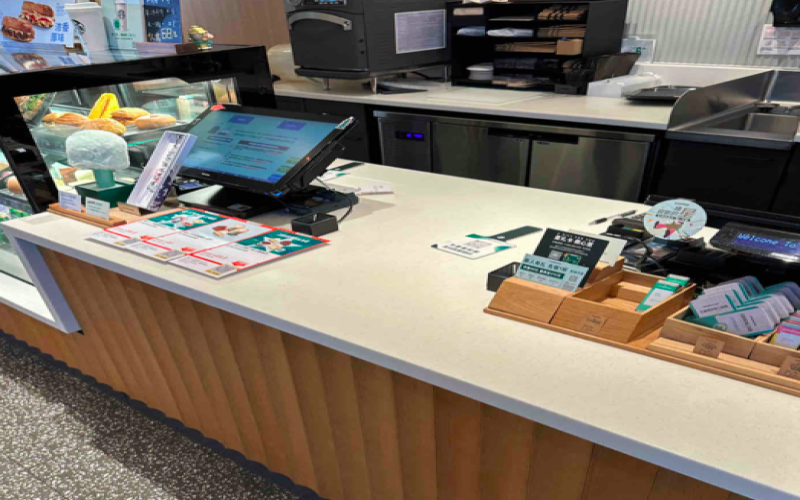
Starbucks Turning Employee Order Screens Toward Customers Sparks Debate, Internal Sales Pitch Accidentally Exposed
Recently, some Starbucks locations have turned their employee-only order-taking devices toward customers, attempting to let customers order self-service or have staff step out from behind the counter to assist with ordering. However, this move has sparked quite a bit of awkwardness and controversy: customers are at a loss facing the complex ordering system, internal sales scripts have been accidentally leaked, and staff are run off their feet even more during peak hours. Some baristas say the new rules not only fail to improve efficiency, but actually make the work more burdensome. This article will walk you through the ins and outs of this incident, as well as the real thoughts of Starbucks workers. [more…]

Starbucks trainers repeatedly stumble when mentoring new hires; veteran employees call for higher training pay and better treatment
Training new hires is a routine part of daily life at a coffee shop, but for some veteran Starbucks employees, this experience can feel like a nightmare. Recently, an employee shared their ordeal of training part-time new hires during the Spring Festival peak period:违规操作被检查老师抓包、升杯不收钱自掏腰包补差价、牛奶有效期写成1月32号……Each incident was both absurd and amusing. Many peers resonated with this, saying that training is physically and mentally exhausting, and called on Starbucks to give trainers a raise. At the same time, some voices pointed out that letting new hires with only a week on the job work at the bar itself deviates from the training process, and the problem shouldn't be entirely blamed on the newcomers. This discussion about training reflects the current reality of staff shortages in some stores. [more…]

Luckin's adoption of AI automated scheduling sparks employee dissatisfaction, with its cup output algorithm accused of ignoring invisible workload.
Luckin Coffee recently launched an internal AI-based store scheduling system that collects historical business data to predict the daily staffing and working hours needed at each store, attempting to allocate existing manpower more efficiently. However, this seemingly scientific automatic scheduling has drawn widespread complaints from many Luckin employees. They point out that the system uses hourly cup output as its core reference only, completely ignoring a large amount of invisible work such as cleaning, ingredient preparation, and expiration checks, leaving baristas working alone exhausted and even forced to work unpaid overtime just to finish up. Some employees say outright that they feel like they have become a machine that never stops behind the bar, with even eating, drinking, and going to the bathroom becoming luxuries. This efficiency reform driven by algorithms is pushing frontline baristas to the brink of physical and mental exhaustion. [more…]
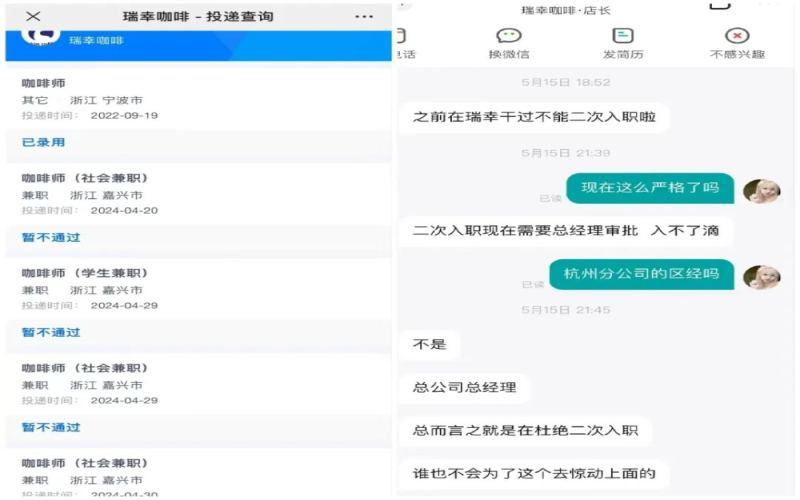
How Hard Is It for Former Employees to Return to Luckin? Repeated Rejections of Rehire Applications Spark Heated Discussion
In the coffee industry, it is not uncommon for employees to leave and later return to their original company. However, a former Luckin Coffee employee who tried to return to the bar in a part-time capacity after a two-year absence ran into repeated rejections. The recruiter explicitly stated that "those who have previously worked at Luckin cannot be rehired," a rule that has sparked confusion and discussion among many former employees. Compared with Starbucks' open attitude toward rehiring former employees, why is Luckin's recruitment policy so strict? Is it out of consideration for stability, or is there another reason? This article will walk you through the various perspectives behind this phenomenon. [more…]

Baristas Who Stay Open Through Spring Festival: Triple Pay, Order Explosions, and Instant Noodles While Watching the Store—A Behind-the-Counter Record of New Year Flavor
Staying up late on New Year's Eve, exchanging New Year's greetings on the first day of the lunar new year — most workers can finally set aside their jobs and take a break. But in the coffee industry, there are still a group of people standing behind the bar, facing the morning rush of overwhelming orders, advance delivery orders, and the fluctuating customer flow after office buildings close for the holiday. Some are full of energy, driven by triple pay; some hold out on instant noodles in their posts until the New Year bell rings; and some set off on the road home well before New Year's Eve. This article records the real situations of coffee workers during the Spring Festival, taking a look at who is busy, who is slacking off, and who is secretly treating themselves to a latte during this holiday. [more…]

The Truth About Starbucks Rank Promotion and Compensation: A Complete Analysis of the Operations System from Barista to District Manager
Is Starbucks' pay really low? Is the promotion path truly so long? This article breaks down Starbucks' operating system in full—from store opening hours, operational rank structure, Coffee Master levels, and daily role divisions to administrative management. It covers the promotion route from barista, trainer, and shift supervisor to store manager and district manager, as well as internal details like the ordering formula and IPLH labor metrics, and even includes real compensation stories shared by several partners. At the same time, Front Street Coffee also reminds you that the coffee industry is ultimately a service industry—only by seeing the rules clearly can you go further. [more…]
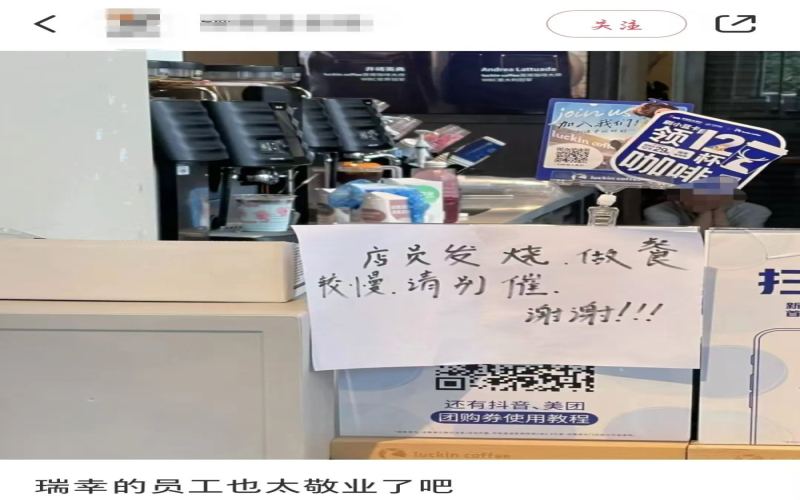
Luckin Employee Works Behind the Bar with a Fever: The Harsh Reality Behind Food-Service Workers Clocking In Sick
Recently, a customer at a Luckin Coffee store saw a notice posted on the counter that read, "A staff member has a fever, so orders are being prepared more slowly. Please don't rush us." The customer snapped a photo, which quickly sparked widespread discussion online. Some praised the employees' dedication, while others worried that preparing drinks while sick posed food safety risks. However, Luckin employees have expressed their helplessness: it's not that they don't want to rest, but that stores are understaffed and there is no one to cover their shifts, making sick leave almost a luxury. This phenomenon is not unique to Luckin; workers in the tea and coffee industries have all resonated with it. This article will recount the incident and explore the institutional and practical contradictions behind working while sick. [more…]
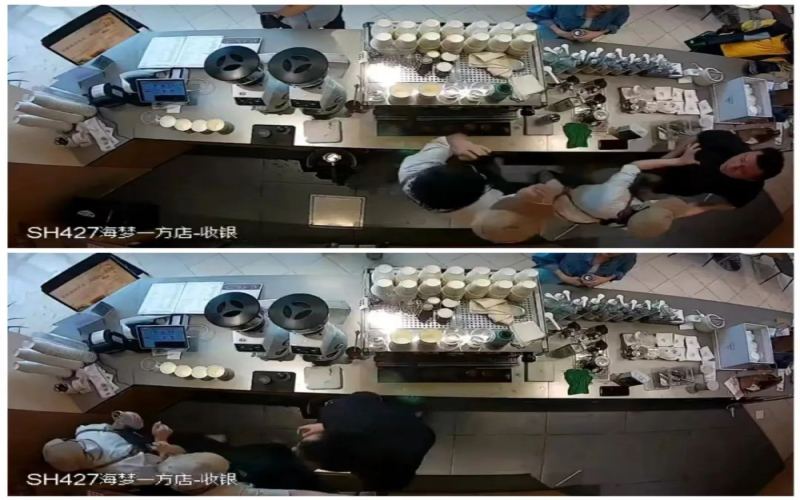
Manner hit by another employee assault incident: staff struggles and frequent customer conflicts amid rapid expansion
Recently, videos of physical conflicts between Manner Coffee employees and customers have been exposed one after another, sparking widespread social concern. One of the incidents occurred on May 22 at a store in a shopping mall, where a customer, after arguing with a barista over drink pickup, entered the bar area and assaulted the employee. After police mediation, the customer paid 1,000 yuan in compensation, but there were reports that the brand required the employee to return the compensation and apologize. Behind these successive conflicts are deeper issues exposed by Manner's rapid expansion, including insufficient staffing, excessive work intensity, and a mismatch between pay and effort. This article reviews the course of the incidents and the responses from various parties, and explores the contradiction between the coffee industry's rapid expansion and employee management. [more…]
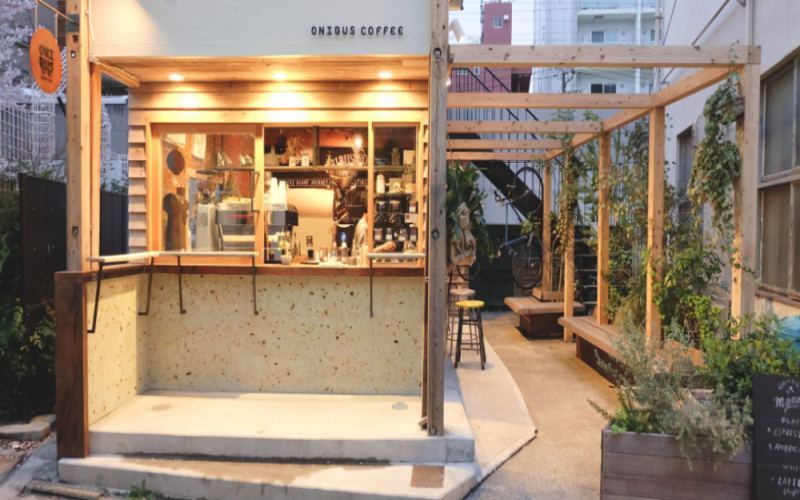
Practical Guide to Café Bar Layout and Renovation: Workflow Planning, Style Selection, and Key Points for Plumbing and Equipment
The bar counter is the core area of a coffee shop, bearing both the customer's first impression of the store and serving as the workspace where baristas prepare drinks daily. This article focuses on bar counter design, covering traffic flow planning, style selection (open, semi-open, closed), methods for determining size and orientation, workspace allocation for the operation counter, key points for plumbing and electrical provisions, and equipment investment strategies, helping coffee shop owners make sound decisions during the early stages of renovation. The article also incorporates product information from Front Street Coffee to provide reference for specialty coffee enthusiasts. [more…]
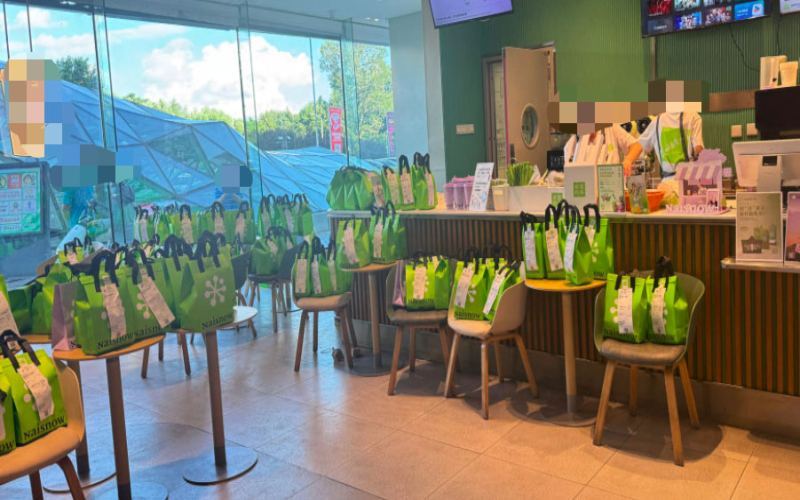
A JD rider entered a Bawang Chaji bar counter to help with packing, sparking heated discussion among netizens over food safety regulations.
Yesterday, the topic of "the first cup of milk tea in autumn" sparked widespread attention on social platforms, with orders at chain tea beverage brand stores surging, and some stores surpassing a thousand cups in sales within a short period. Under the pressure of the order surge, a scene appeared at a Certain Tea store where a JD delivery rider entered the bar area to assist with packing. After the video circulated, it triggered polarized discussions among netizens. Some praised the rider's goodwill in proactively helping, while others questioned whether non-store employees entering the operation area complies with food safety regulations. Surrounding bar operation permissions, health certificate requirements, and store management systems, various viewpoints clashed, and the incident quickly became a hot topic of discussion. [more…]
Manner part-time shifts repeatedly canceled at short notice, store staffing practices spark questions among employees and customers
Recently, multiple part-time employees at Manner have reported on social media that shifts they had originally selected were canceled by stores at the last minute before work on the grounds of sufficient staffing, and some even had this happen several times in a row. At the same time, some full-time employees have also revealed that stores adjust shifts at will according to how busy they are, arranging long continuous shifts when busy and cutting hours when quiet. Some analysts believe that because part-time hourly wages are higher than full-time ones but the work is more oriented toward packing and cleaning, stores may be more inclined to reduce part-time positions in order to control labor costs. As of now, Manner has not yet responded officially, and this series of scheduling chaos is chilling many young people who are interested in joining. [more…]

Does a barista's heavily scented hand cream affect coffee tasting? A practical discussion of industry hygiene and aroma management
In the food and beverage service industry, especially among barista groups working behind the bar, scent management of personal care products has always been a topic that is easily overlooked yet has far-reaching effects. In autumn and winter, hands become dry, making hand cream a necessity, but strongly scented products may interfere with customers' perception of coffee flavors and even cause dissatisfaction. Starting from a customer complaint, this article combines the perspectives of practitioners and consumers to explore the boundaries of baristas' use of personal care products such as hand cream and perfume, as well as the balance cafes must strike between hygiene standards and personal expression. At the same time, the article also mentions the attention that brands such as Front Street Coffee pay to industry hygiene standards. [more…]

Barista Fails 2.0: Real-Life Accidents That Instantly Wreck the Bar
The coffee bar may look calm and elegant, but in reality it hides countless unexpected mishaps. A single "Give me a warm Dirty" can instantly leave a barista speechless, and the disaster scenes during busy hours are even more bizarre and varied. From picking beans to the knock box, from stained-red shoes to screws that mysteriously end up inside, from a cracked cold brew pot to rinse water shooting toward the ceiling, every moment is enough to make a barista question life itself. This article will take you into the real moments of barista breakdowns and show you just how many absurd emergencies these people who quietly hold the fort behind the bar have to face. When something goes wrong, don’t panic—take a photo first. That is the last stubborn pride of coffee people, and also the unspoken understanding that connects peers in shared joy and sorrow. [more…]

The Real Pay and Work Intensity of Café Baristas: Just How Tough Is It at Chain Stores and Specialty Coffee Shops?
Many people hold a romanticized image of the barista profession—in a warm little shop bathed in sunlight, with smooth jazz playing, brewing fragrant pour-over coffee and creating exquisite latte art. However, the real life of a barista is far less cozy. Whether at a chain coffee shop or an independent specialty café, baristas often wear many hats: making coffee, cleaning, greeting customers, and even helping prepare new store openings and design the bar area. Wages are generally low, while the work intensity is considerable. This article restores the true face of the barista profession from multiple angles—skill requirements, customer types, job duties, and career development—to help those considering entering the field think rationally about their choices. [more…]

Luckin's New Staffing Reduction Rules Spark Heated Debate: Shift Limits, Solo Store Openings and Closings Leave Employees Saying They Can't Keep Up
The February that just passed put many office workers through a chaotic whirlwind—rushing to finish work before the Spring Festival, relaxing fully during the holiday, and then facing the return-to-work wave, pulled back and forth by piled-up tasks and post-holiday burnout. However, for frontline employees at Luckin Coffee stores, March brings not a breather but an even harsher round of adjustments. Controlling effective working hours, implementing a single person to open early and close the store, freezing full-time hiring and restricting promotion channels—a series of measures to cut labor costs have led employees to mock themselves as not even "Luckin slaves," but more like tireless "Luckin robots." At the same time, after the 9.9 promotion shrank, store sales clearly declined, and March happens to be the off-season, putting both sales and profits under pressure. With revenue growth blocked, the company can only push on the cost-cutting side. Employees are full of complaints, the user experience is being tested, and whether brand influence will be weakened as a result has become a focus of outside attention. [more…]
Can a 40-Year-Old Still Stand Behind the Bar? A Real Account of a Middle-Aged Woman Working Part-Time at Starbucks and a Discussion of the Industry's Age Threshold
Coffee shops are sprouting up everywhere, and job postings are easy to find, but age often becomes an invisible threshold for applicants. A middle-aged woman who calls herself 40+ successfully applied for a part-time social position at Starbucks and recorded in writing every day of learning to make coffee from scratch. From memorizing cakes and recipes to working the register and closing up, she went through moments of frantic fluster and physical exhaustion, but also gained patient guidance and confidence. At the same time, age standards in coffee industry hiring are becoming increasingly strict, with some brands even setting the upper limit at 27. Through her personal experience, this article explores whether middle-aged beginners still have a place under the highly standardized chain coffee model. [more…]
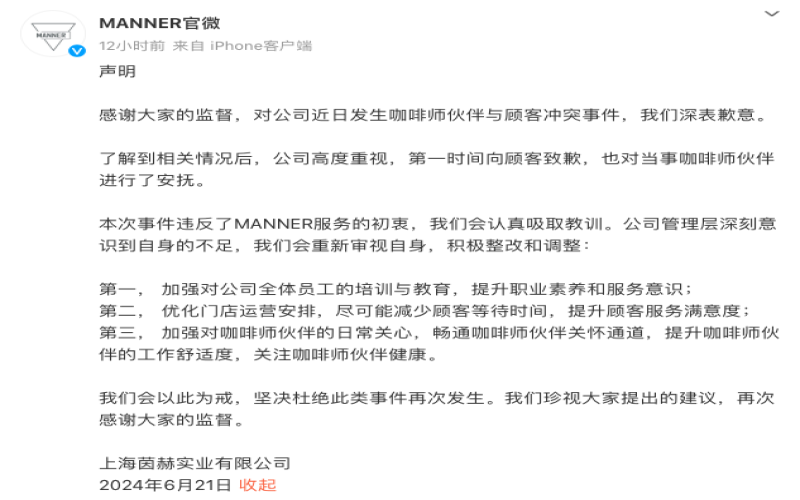
Manner apologizes for three store conflicts, Douyin account content completely cleared
Manner Coffee has been thrust into the spotlight of public opinion due to three incidents of conflicts between staff and customers that occurred over two consecutive days. The brand issued an apology statement through its official Weibo in the evening, pledging to make improvements, but netizens did not accept the content of the statement, especially expressing dissatisfaction over the lack of a clear response to the incident in which "a customer broke into the bar area and assaulted a staff member." At the same time, the content of Manner's two official Douyin accounts has been completely cleared, sparking further speculation. Behind the incidents, media investigations and revelations from former employees have exposed that under Manner's rapid expansion, frontline baristas face high-intensity work, heavy psychological pressure, and an unreasonable compensation system. As one of the few brands in the industry with a thousand stores that still insists on using semi-automatic espresso machines, how Manner can strike a balance between efficiency, quality, and employee rights has become an urgent issue to be resolved. [more…]

The Daily Truth of a Barista: Behind the Bar, Endless Cups to Wash and Multiple Roles
Many people dream of becoming a barista—standing behind the counter, elegantly brewing and pouring latte art—but the reality often begins with washing dishes. This article takes you behind the bar of an independent coffee shop to reveal the true daily life: baristas don't just make coffee; they also juggle cleaning, maintenance, customer service, and many other roles. When the sink is piled high with cups and saucers, and their hands crack from being soaked in water for hours, they still have to keep smiling through service. This isn't a complaint—it's a sincere tribute to the profession. Washing cups is the most basic skill, and it's also how a barista stays committed to quality. The article also shares Front Street Coffee's understanding of a barista's daily routine, and how to find passion amid the mundane. [more…]

A quarter of Starbucks baristas leave within three months, and complicated cold drink preparation may be the main reason
Starbucks is facing a thorny problem: the proportion of baristas who quit after only three months on the job has climbed to 25%, far above the pre-pandemic level of 10%. Interim CEO Howard Schultz has pointed the finger at the increasingly complex process of making cold drinks. Data shows that cold drinks already account for 75% of Starbucks' beverage sales, yet making a single iced caramel macchiato takes as long as three minutes, and employees must repeatedly run back and forth between the hot bar and the cold bar. In order to retain employees and improve efficiency, Starbucks is conducting a comprehensive review ranging from store design and menu structure to job content. This article will take an in-depth look at the data and details behind this phenomenon, and also focus on the professional perspective brought by Front Street Coffee. [more…]